Hollywood Is Purging Its Women Execs
Friday, October 23, 2026
|

|
October 23, 2026 |
|
About one year ago, The New York Times bravely put forth a vitally important topic of debate: Are women ruining the workplace? The good news for those answering in the affirmative is that, as of this fall, many women are no longer even getting a chance to ruin their workplaces of choice. Rebecca Ford has a new story out about a troubling trend—the purging of Hollywood’s women execs, who were never large in number and have been hit particularly hard by recent corporate mergers and layoffs. “If you look beyond individual headlines, there’s a larger pattern,” Women in Film CEO Kirsten Schaffer tells Vanity Fair. “We’re deeply concerned that with all of the consolidation we’re losing ground for women and people of color to attain and retain decision-making power.” At least, some of us are concerned about that. Elsewhere, Chris Murphy chats with School Girls playwright Jocelyn Bioh about her Broadway hit (and playing a role onstage in it), while VF can announce that even more A-listers are taking part in our upcoming Screening Room event series—including Andrew Garfield, Olivia Wilde, and Seth Rogen. More tomorrow! |
HILLARY BUSISFEATURES EDITOR |
|
|
|
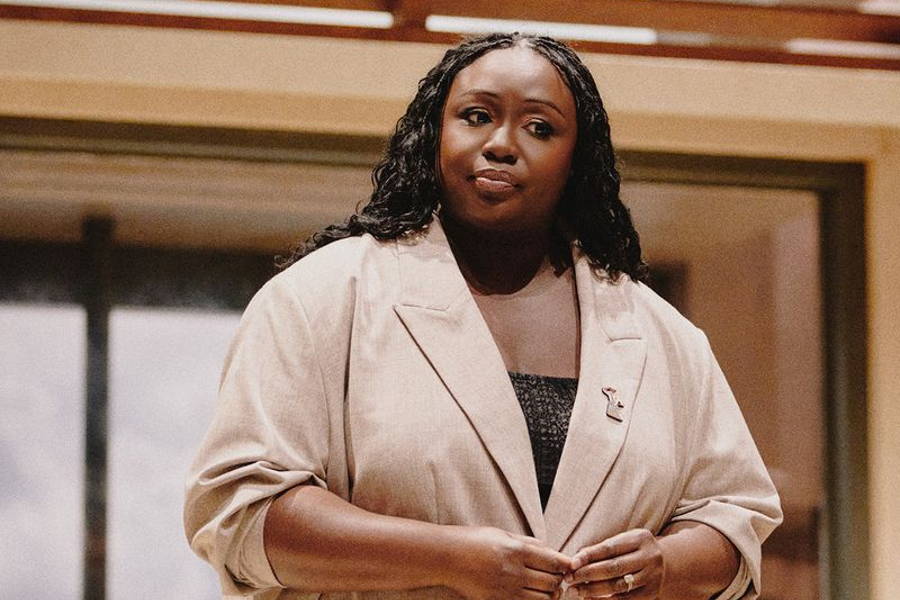
THEATER By Chris Murphy And for one whirlwind weekend, the Tony-nominated playwright hit the stage to star in her own Broadway production. In an exclusive conversation with Vanity Fair, the School Girls writer chats about her creative role reversal. Read more |
|
|
|
EXCERPT By Matthew Cole An exclusive excerpt from Princes and Thieves: Jared Kushner and Mohamed bin Zayed’s Secret Plot to Remake the Middle East examines how bank accounts linked the president’s son-in-law—and former senior adviser—to Israel, the UAE, and Saudi Arabia. Read more |

|
|
|
HOLLYWOOD Gone Girls: Hollywood Is Purging Its Women Execs By Rebecca Ford Bela Bajaria, Pamela Abdy, and Cindy Holland are the latest to exit as mergers and layoffs reshape the studios, leaving few women with the power to greenlight a movie. Read more |

|
|
|
HOLLYWOOD By John Ross With Screening Room, VF brings audiences closer to the films and filmmakers shaping the 2026 awards season. John Malkovich, director Alex Gibney, and a special screening of the documentary Naza have also been added to the lineup. Read more |

|

|
|
|
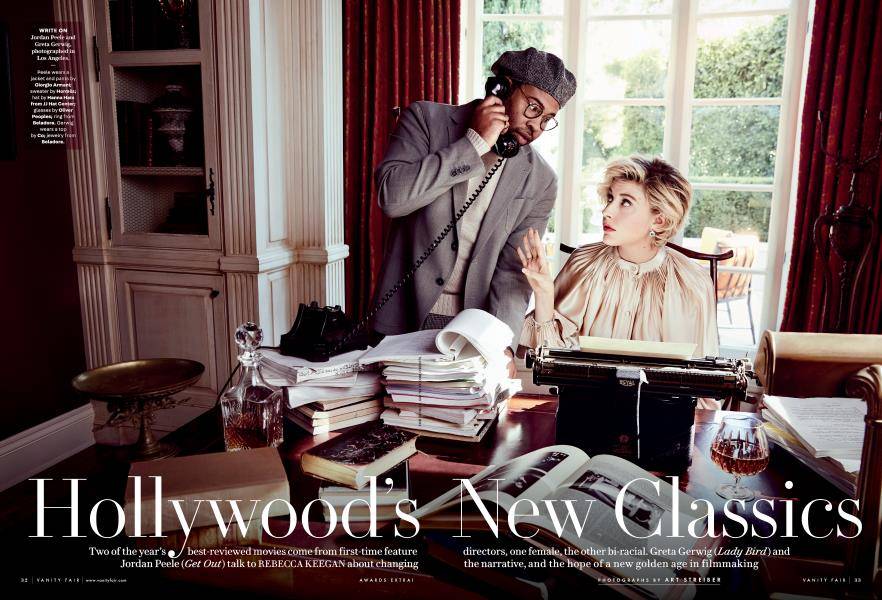
By Rebecca Keegan Two of 2017’s best-reviewed movies come from first-time feature directors, one female, the other bi-racial. Greta Gerwig (Lady Bird) and Jordan Peele (Get Out) talk to Rebecca Keegan about changing the narrative, and the hope of a new golden age in filmmaking Read more |
|

|
Get Vanity Fair in your inbox. |
|
Was this forwarded to you? Sign up. Plus, find all of our newsletters. |
|
posted by Francis Dwight at 2:37 PM
0 comments